Market data / From the trace001
NVCA's 2026 Yearbook covers full-year 2025 venture activity, credited throughout to PitchBook, a Morningstar company.
Event: 1 January 2025
Market data / Trace note002

The Q2 2026 Venture Pulse PDF credits KPMG Private Enterprise's analysis of PitchBook data; its web pages do not.
Trace note
Market data / From the trace003

BlackRock announced the $3.2 billion Preqin deal on 30 June 2024; Preqin's own page now dates it to 2025.
Event: 30 June 2024
Market data / Trace note004

First Citizens continues SVB's semiannual venture report, pairing proprietary client data with licensed PitchBook figures.
Trace note
Market data / From the trace005

LSEG's Refinitiv acquisition closed 29 January 2021; its own pages do not say venture-data definitions survived unchanged.
Event: 29 January 2021
Rounds & valuations / Trace note006

Carta's own data pages say its round and valuation figures come from aggregated, anonymized data of its own customers only.
Trace note
Market data / Trace note007

The 2026 Scoreboard's own annex says its two commercial VC sources classify investment stages differently from each other.
2026 report
Rounds & valuations / From the trace008
jpmorgan.com22 March 2023
JPMorgan's own release dates the Aumni acquisition to March 2023, and Aumni's platform is now being wound down.
Event: 22 March 2023
Market data / From the trace009
pitchbook.com1 January 2025
PitchBook's fundraising methodology attributes a fund's entire committed capital to the quarter it finally closed.
Event: 1 January 2025
Market data / Trace note010

The Bank's own endnotes show its regional equity Tracker runs on Beauhurst's data and stage definitions, not a Bank-collected count.
Trace note
Market data / Trace note011

Beauhurst's own FAQ describes the eight triggers and filing-review method it uses to track UK, German and Irish private companies.
Trace note
Market data / From the trace012

Bpifrance's own history and Le Lab methodology page show the 2013 merger created one institution that both finances and studies French business.
Event: 21 February 2013
Regulation & disclosure / From the trace013
sebi.gov.in21 May 2012
SEBI's own 2012 regulation and quarterly AIF data separate a fund's committed capital from capital actually invested.
Event: 21 May 2012
Market data / Trace note014

VEC's own pages describe a yen-denominated, survey-based Yearbook whose English edition carries only a data excerpt.
Trace note
Market data / Trace note015
CVCA's own H1 2026 report states its Canadian-dollar figures come from its proprietary database and are subject to revision.
Trace note
Market data / Trace note016

LAVCA's own methodology page shows its Latin America totals are built market by market, not as one regional figure.
Trace note
Market data / Trace note017

AVCA's own Q2 2026 summary and Data and Intelligence page show its Africa venture figures rest on a decade-old proprietary fund-manager database.
Trace note
Exits & returns / Trace note018

Cambridge Associates' own methodology names its US Venture Capital Index calculation a pooled horizon internal rate of return, not a simple average.
Trace note
Exits & returns / Trace note019

Cambridge Associates defines vintage year by a fund's first LP contribution, a cohort cut distinct from its calendar-period pooled index.
Trace note
Exits & returns / From the trace020
web.archive.org2 October 2023
SEC filings and Burgiss's own archived pages show what changed, and what did not, when MSCI completed its 2023 acquisition of the private-markets data firm.
Event: 2 October 2023
Exits & returns / Trace note021
web.archive.orgundated document
An archived State Street page describes a defunct private equity index built from the firm's own custodial cash-flow records, not general partner surveys.
Trace note
Exits & returns / Trace note022

Renaissance Capital's 2024 annual review states its own IPO count's footnoted scope, which differs from any venture database's exit tally.
2024 report
Exits & returns / Trace note023
Nasdaq Private Market's own reporting separates its platform's settled trades from a larger secondary-market figure it only cites from elsewhere.
Trace note
Rounds & valuations / Trace note024
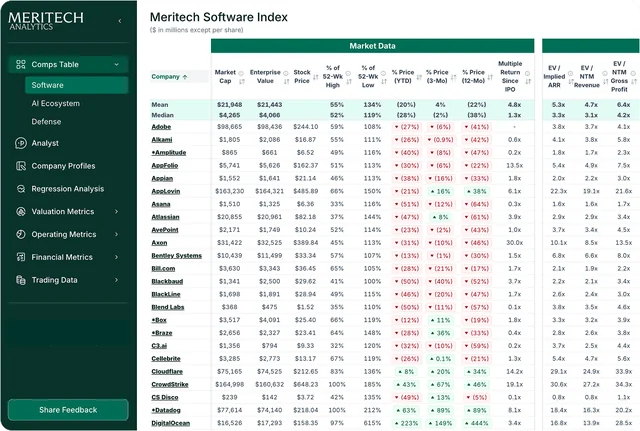
Meritech's own 2024 note describes its public SaaS comps method, and its comps table has since moved behind a signed-in analytics product.
Trace note
History / Trace note025
site.warrington.ufl.edu9 March 2026
Jay Ritter's University of Florida page states what its own posted IPO datasets cover, an academic archive distinct from a commercial data subscription.
Trace note
Regulation & disclosure / From the trace026
sec.gov26 August 2020
The SEC's 2020 order approving NYSE's primary direct listing rule states exactly what changed, for which exchange, and for which kind of listing.
Event: 26 August 2020
Market data / Trace note027
msci.com7 January 2023
The jointly governed GICS methodology states a numeric revenue rule for public companies that a private-market provider's sector label does not carry.
Trace note
Exits & returns / Trace note028
calpers.ca.govundated document
CalPERS's own 2026 board review reports vehicle-level IRR, TVPI and lag conventions across a $119.3 billion program.
Trace note
Exits & returns / Trace note029
sib.wa.govundated document
WSIB's own quarterly schedule gives fund-by-fund IRR and warns that interim returns are not comparable across ages.
Trace note
Exits & returns / Trace note030
oregon.govundated document
Oregon Treasury's quarterly PE schedule names every fund by vintage year and states plainly what its IRR figures cannot support.
Trace note
Exits & returns / Trace note031
trs.texas.govundated document
TRS's own financial report gives a lagged, blended private equity return and names venture managers without a separate venture figure.
Trace note
Exits & returns / Trace note032

UC's own annual report gives a 24.9% private equity weight for one endowment pool without separating out venture capital.
Trace note
Exits & returns / Trace note033

Yale's fiscal 2025 announcement and endowment data name leveraged buyouts and real estate but no venture capital figure.
Trace note
Regulation & disclosure / Trace note034
osc.ny.govundated document
The Comptroller's own monthly transaction reports name new private equity commitments and terms, not fund-level performance.
Trace note
Exits & returns / Trace note035
calstrs.comundated document
CalSTRS's own performance schedule lists venture funds by vintage year while stating its IRRs are interim and GP-unapproved.
Trace note
Exits & returns / Trace note036
mapension.comundated document
MassPRIM's own financial report gives a lagged, program-wide private equity return with venture capital named but not isolated.
Trace note
Regulation & disclosure / Trace note037
sec.govundated document
The SEC's own instructions show a registered adviser's brochure duties differ sharply from an exempt reporting adviser's limited filing.
Trace note
Regulation & disclosure / Trace note038
sec.govundated document
The SEC's own instructions and adopting release set a 150 million dollar filing threshold and describe Form PF as filed on a confidential basis.
Trace note
Regulation & disclosure / From the trace039
sec.gov22 June 2011
The SEC's adopting release sets five conjunctive conditions a fund must meet before its adviser can skip registration.
Event: 22 June 2011
Regulation & disclosure / Trace note040
ecfr.govundated document
Rule 204-4 and Form ADV's own instructions limit an exempt reporting adviser to seven Part 1A items and no client brochure.
Trace note
Regulation & disclosure / From the trace041
sec.gov22 December 2020
The SEC's adopting release states its merged advertising rule binds registered advisers only, not exempt reporting advisers.
Event: 22 December 2020
Regulation & disclosure / From the trace042
eur-lex.europa.eu1 July 2011
The 2011 directive's own text requires authorisation, reporting and a marketing passport, but leaves transposition to each Member State.
Event: 8 June 2011
Regulation & disclosure / From the trace043
eur-lex.europa.eu26 March 2024
The 2024 amending directive adds loan-origination and delegation rules while leaving most of the 2011 AIFMD text untouched.
Event: 13 March 2024
Regulation & disclosure / From the trace044
gesetze-im-internet.de4 July 2013
The 2013 statute transposes AIFMD's core definitions while also splitting funds into professional-only and retail categories of its own.
Event: 4 July 2013
Terms & instruments / From the trace045
ilpa.org1 June 2019
ILPA's own 2019 edition frames alignment, governance and transparency as recommended terms for LPs to negotiate, not requirements.
Event: 1 June 2019
Terms & instruments / Trace note046
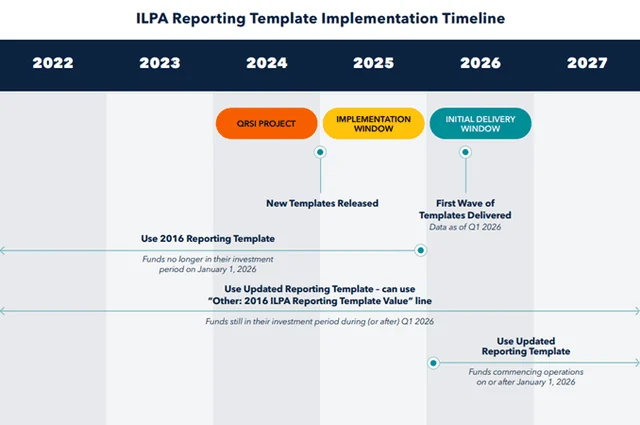
ILPA's own pages show a 2025 reporting template phasing in alongside the 2016 version it is meant to replace, both voluntary.
Trace note
Exits & returns / Trace note047
ilpa.org1 May 2023
ILPA's 2023 continuation-fund guidance sets a status quo test and an LPAC role, and its own page shows a 2026 revision underway.
Trace note
Exits & returns / Trace note048

Jefferies' 2025 secondary market review reports a $240 billion volume figure drawn from its own advisory practice, not a market census.
Trace note
Exits & returns / Trace note049
web.archive.org20 February 2025
StepStone's own outlook pages describe secondary market conditions qualitatively, without the volume figure a Jefferies or Setter Capital report states.
Trace note
Exits & returns / Trace note050
Setter Capital's FY 2025 survey puts secondary volume at $203.76 billion and states it excludes venture company-share secondaries entirely.
Trace note
Terms & instruments / Trace note051
sec.gov12 February 2026
Hercules Capital's FY 2025 10-K states a 3-to-20 percent warrant coverage range, a 12.9 percent yield, and portfolio detail as of 31 December 2025.
Trace note
Terms & instruments / Trace note052
sec.gov4 March 2026
TriplePoint Venture Growth's FY 2025 10-K discloses a 2-to-10 percent warrant coverage range and a 13.7 percent portfolio yield.
Trace note
Terms & instruments / Trace note053
sec.gov25 February 2026
Trinity Capital's and Runway Growth's FY 2025 10-Ks state their own yields and equity positions, each on its own definitions.
Trace note
Terms & instruments / Trace note054
sec.gov6 July 2026
Syntiant Corp's SEC-filed loan agreement sets warrant coverage on a sliding scale, later documented at 15 and 10 percent by its own amendment.
Trace note
Founder decisions / Trace note055

Cooley GO's own guidance lists eight concepts in a venture debt term sheet, framed as questions to negotiate rather than a lender's stated offer.
Trace note
History / From the trace056
fdic.gov27 March 2023
The FDIC's press release and First Citizens' own 8-K give different asset and deposit figures for the same March 2023 SVB acquisition.
Event: 27 March 2023
Market data / Trace note057
eif.org1 December 2024
The EIF's European Small Business Finance Outlook pairs its own SME index with Invest Europe's differently-scoped venture and private equity statistics.
Trace note
Founder decisions / Trace note058

The EIF's own InvestEU pages describe a guarantee-backed, intermediary-only equity mandate with a thematic eligibility test for fund managers.
Trace note
Founder decisions / Trace note059
IFC's Access to Information Policy sets a 30- or 60-day pre-board disclosure window for each proposed investment, including venture and growth equity.
Trace note
Market data / Trace note060
web.archive.orgundated document
Temasek's 2025 Review states a S$434 billion net portfolio value at 31 March 2025 but folds venture-type exposure into a broader technology sector bracket.
Trace note
Exits & returns / Trace note061

GIC's 2025/26 report details a dedicated early-stage Technology Investment Group while disclosing only three broad asset classes at portfolio level.
Trace note
History / From the trace062

In-Q-Tel's own history and milestones pages describe a 1999 founding as an independent not-for-profit, with typical deal sizes but no disclosed fund size.
Event: 1 January 1999
Exits & returns / Trace note063
Mubadala's own pages disclose named 2025 transactions and a broad asset-class mix, neither of which states a portfolio-level venture allocation.
Trace note
Founder decisions / From the trace064

Launched in 2018 with a GBP 2.5bn commitment, British Patient Capital's own pages describe fund commitments and portfolio co-investment, not direct pitches.
Event: 3 June 2018
Market data / Trace note065
sba.govundated document
The SBA's own SBIC program pages set four license types and leverage caps, only some of which behave like venture-equity financing.
Trace note
Exits & returns / Trace note066

ISIF's 2023 annual report extract lists specific venture-fund commitments under a statutory double-bottom-line mandate, distinct from its 4.3 percent return.
2023 report
Rounds & valuations / Trace note067

The IPEV Board publishes recommended Fair Value methodology; its own text says standards do not require it be followed.
Trace note
Rounds & valuations / From the trace068
web.archive.org1 January 2006
ASC 820, issued as Statement 157 in 2006, distinguishes observable Level 1 prices from unobservable Level 3 estimates.
Event: 1 January 2006
Rounds & valuations / Trace note069

AICPA's own product page describes its compensation-valuation guide as professional guidance now under revision, not an IRS regulation.
Trace note
Rounds & valuations / Trace note070

AICPA's fund-level valuation guide for VC and PE portfolio holdings is a separate, nonauthoritative document from its compensation guide.
Trace note
Regulation & disclosure / From the trace071
law.cornell.edu22 October 2004
Section 409A's 2004 enactment, a 2005 interim IRS notice and a later Treasury regulation are three distinct layers of authority.
Event: 22 October 2004
Regulation & disclosure / From the trace072
sec.gov18 July 2018
The SEC's own 2018 release doubled Rule 701's disclosure threshold to $10 million without eliminating the disclosure it triggers.
Event: 23 July 2018
Founder decisions / Trace note073
law.cornell.eduundated document
The statute and the IRS's new Form 15620 both fix a 30-day, non-extendable deadline that cannot be revoked without IRS consent.
Trace note
Regulation & disclosure / From the trace074
law.cornell.edu4 July 2025
A July 2025 amendment gave stock acquired after that date a tiered exclusion and a higher cap, leaving older stock under the old rule.
Event: 4 July 2025
Founder decisions / Trace note075
web.archive.org15 December 2023
Carta's own guide names a real 20-business-day SEC minimum, then layers pricing and eligibility recommendations that are not rules.
Trace note
Rounds & valuations / From the trace076
sec.gov16 November 2020
Airbnb's 2020 filings disclose several option exercise prices set years apart, from $3.18 to $49.77, against a $68.00 IPO price.
Event: 16 November 2020
Founder decisions / From the trace077
sec.gov30 October 2015
The SEC's 2015 Regulation Crowdfunding release created Form C, the disclosure filing a Title III issuer must make, distinct from a full prospectus.
Event: 30 October 2015
Market data / Trace note078
sec.gov18 June 2019
The SEC staff's 2019 report to the Commission counts Regulation Crowdfunding offerings and dollars from May 2016 through 2018, not any other exemption.
Trace note
Regulation & disclosure / From the trace079
sec.gov25 March 2015
The SEC's 2015 Regulation A rules require a qualified Tier 2 offering circular and ongoing reports, with qualification stated as no judgment on merit.
Event: 25 March 2015
Regulation & disclosure / From the trace080
sec.gov22 January 2021
Boxabl's January 2021 Form 1-A offering circular on EDGAR sets a stated maximum offering, price and risk disclosures, not a reported amount raised.
Event: 22 January 2021
Regulation & disclosure / From the trace081
finra.org29 January 2016
FINRA's funding portal rules, effective January 2016, bar portals from advice or solicitation and register them apart from broker-dealers.
Event: 29 January 2016
Terms & instruments / Trace note082
ycombinator.comundated document
Y Combinator's own deal page, read in September 2026, still structures its standard investment as two SAFEs totaling $500,000.
Trace note
Terms & instruments / Trace note083

Techstars' own published terms price its standard deal at $220,000 split between an uncapped SAFE and a convertible equity agreement.
Trace note
Founder decisions / Trace note084

500 Global's and Alchemist's own program pages price a seed accelerator seat differently, one by percentage, one by net proceeds after tuition.
Trace note
Terms & instruments / Trace note085
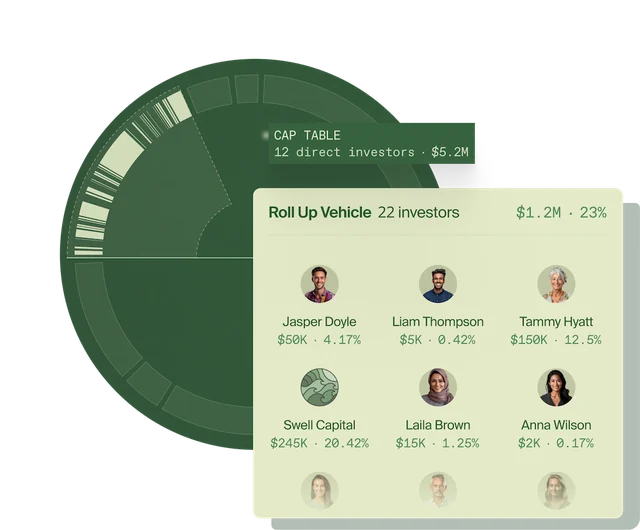
AngelList's own pricing page bundles a Roll Up Vehicle into a subscription tier rather than selling it as a single flat fee.
Trace note
Market data / Trace note086

Wefunder's and Republic's own homepages report separate self-reported totals that should not be added into a single crowdfunding figure.
Trace note
History / From the trace087
ecfr.gov26 June 1979
The Labor Department's 1979 investment-duties rule weighs a plan's whole portfolio, not each holding, and never names venture capital.
Event: 26 June 1979
History / From the trace088
govinfo.gov6 November 1978
Public Law 95-600 raised the capital-gains deduction to 60 percent and repealed the alternative tax; the statute never uses the word Steiger.
Event: 6 November 1978
History / From the trace089
Baker Library's Doriot collection records ARD as a 1946 Boston firm; a Computer History Museum document ties it to DEC's 1957 funding pitch.
Event: 1 January 1946
History / From the trace090
govinfo.gov21 October 1980
Public Law 96-477 added the business development company category to the Investment Company Act of 1940, a wrapper used far beyond venture debt.
Event: 21 October 1980
Terms & instruments / Trace note091
delcode.delaware.govundated document
Title 6, Chapter 17 of the Delaware Code limits a fund's limited partners' liability, and it has been rewritten many times since first codified.
Trace note
History / From the trace092

Sequoia's site states its 1972 founding and founder by name; Kleiner Perkins' page describes only five decades, without a year or a founder.
Event: 1 January 1972
History / Trace note093
nvca.orgundated document
NVCA describes itself as the venture industry's advocacy voice for roughly 400 member firms, without stating a founding year on its own pages.
Trace note
History / From the trace094
legislation.gov.uk13 May 1983
Finance Act 1983 gave income tax relief up to £40,000 a year for shares in unquoted trading companies, later named the Business Expansion Scheme.
Event: 13 May 1983
Regulation & disclosure / From the trace095
sec.gov10 July 2013
Release 33-9415 lifted the general-solicitation ban only for accredited-only offerings under new Rule 506(c), leaving Rule 506(b) unchanged.
Event: 10 July 2013
History / From the trace096
govinfo.gov21 August 1958
Public Law 85-699 let the SBA buy subordinated debentures in licensed small business investment companies, a leverage structure, not a grant.
Event: 21 August 1958
Market data / Trace note097
web.archive.orgundated document
S&P Capital IQ Pro's private-capital coverage combines With Intelligence data with S&P's own private-company database.
Trace note
Market data / Trace note098
Innovate Finance's own Capital and Investment Programme publishes a fintech-specific investment series separate from general UK venture statistics.
Trace note
Market data / Trace note099

Startup Genome's own methodology page shows its ecosystem ranking is a weighted composite score, not a national venture-funding total.
Trace note
Exits & returns / Trace note100
isbinvestment.comundated document
ISBI's own annual report gives a blended private equity return and a third-party ranking, with venture capital folded inside both.
Trace note
History / From the trace101
sec.gov13 November 1996
A 1996 SEC prospectus restates Netscape's August 1995 IPO price at $14 a share, adjusted for a stock split that happened five months later.
Event: 8 August 1995
History / From the trace102
sec.gov9 March 2001
Two SEC-filed 2000-2001 shareholder reports pin the Nasdaq's exact top; NVCA's own history gives only a qualitative venture-side decline.
Event: 10 March 2000
History / From the trace103
govinfo.gov30 July 2002
The 2002 statute and a 2006 SEC advisory report show compliance costs and a slower path from venture funding to IPO, without proving a single cause.
Event: 30 July 2002
History / From the trace104
web.archive.org6 June 2005
YC's archived 2005 page set a $6,000-per-founder stipend and a range-priced valuation; its current site shows how far the standard deal has grown.
Event: 6 June 2005
History / From the trace105
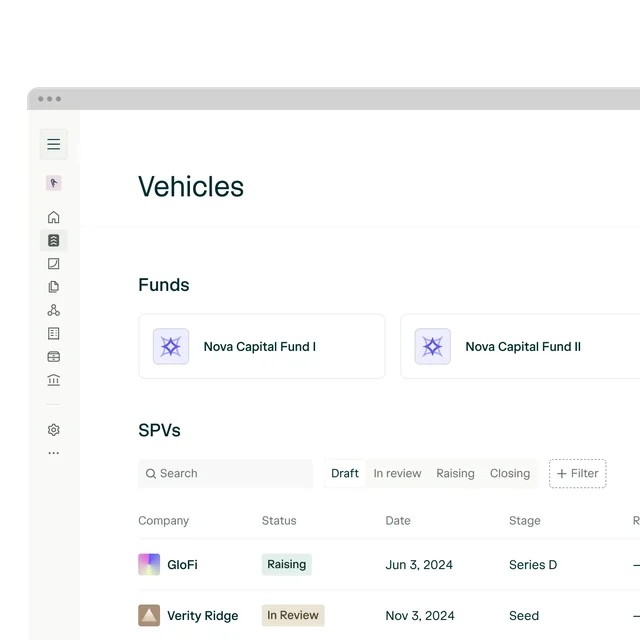
AngelList's own 2013 announcement and help pages set syndicate carry, and its current site shows the same mechanic renamed as an SPV.
Event: 23 September 2013
History / From the trace106
web.archive.org20 May 2017
SoftBank's own 2017 announcement and its 2026 annual report show how a single fund's headline numbers move as its life continues.
Event: 20 May 2017
History / From the trace107
sec.gov14 August 2019
The August 2019 registration statement and September withdrawal show what public disclosure required that private funding rounds did not.
Event: 14 August 2019
History / Trace note108

Crunchbase's global 2021 total and the PitchBook-NVCA US-only total differ by scope, not by error, and neither is a single market truth.
2021 report
History / From the trace109
fdic.gov10 March 2023
The FDIC's closure notice, the Fed's own review, and a joint Treasury statement show what changed for depositors and what regulators later found.
Event: 10 March 2023
Market data / Trace note110

PitchBook's own methodology page explains how it estimates late-arriving deals before a quarter's total is treated as settled.
Trace note
Market data / Trace note111

Crunchbase's methodology page and two consecutive reports show how its global funding count is built and later revised.
Trace note
Market data / Trace note112
CB Insights' State of Venture 2024 report and its public unicorn definitions show a third counting method for one market.
Trace note
Market data / Trace note113

Dealroom's own data methodology and a 2026 report show how a Europe-heavy provider defines and verifies a funding round.
Trace note
Market data / Trace note114
Invest Europe's member survey put 2024 European venture investment at €18 billion, a different construction than database data.
2024 report
Market data / Trace note115

Two consecutive Crunchbase reports show Q4 2024 global funding move from $93 billion to $96 billion as more deals surfaced.
Trace note
Market data / Trace note116

Crunchbase, CB Insights and PitchBook each report a different AI share of 2024 dollars, built on different definitions.
2024 report
Market data / Trace note117
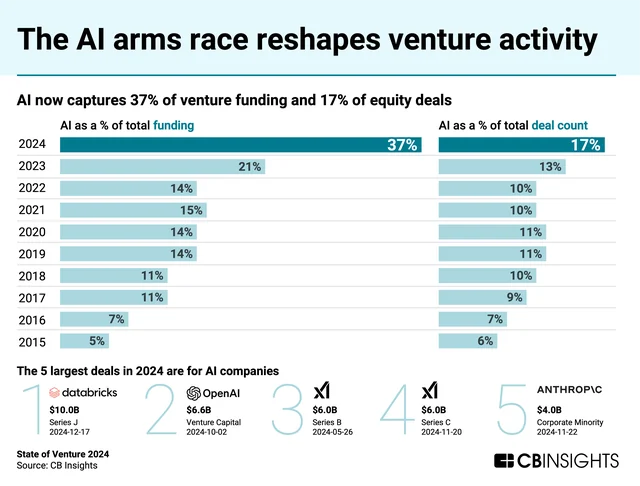
CB Insights, Crunchbase, PitchBook and Dealroom each show recent periods where a few mega-rounds drove most reported growth.
Trace note
Market data / Trace note118
CB Insights' 2024 report shows deal counts falling while quarterly dollars rose, and two providers explain why counts revise more.
2024 report
Market data / Trace note119
A €410 billion European dry-powder figure blends private equity and venture capital, showing why the term needs its scope stated.
Trace note
Rounds & valuations / Trace note120
nvca.orgundated document
A standard SAFE and the model financing documents show why the option pool sits inside pre-money, and why founders should compute it themselves.
Trace note
Rounds & valuations / Trace note121
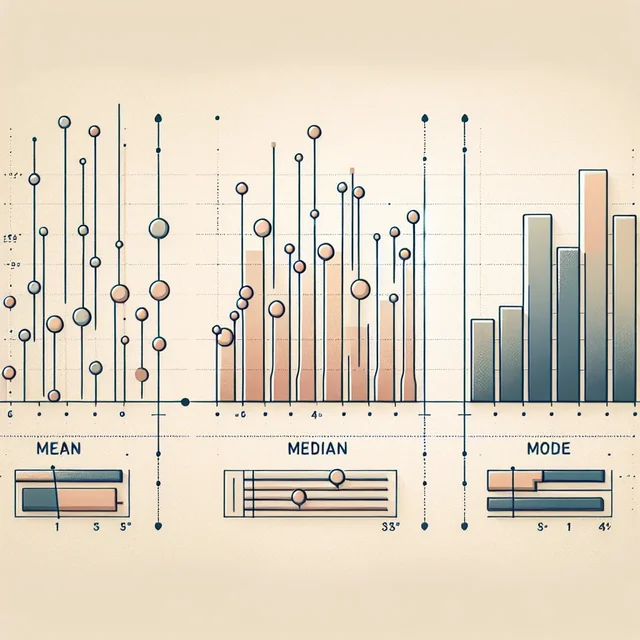
Carta's own reports state three different 2024 medians by stage, each valid for its stated quarter, sample and definition.
2024 report
Rounds & valuations / Trace note122
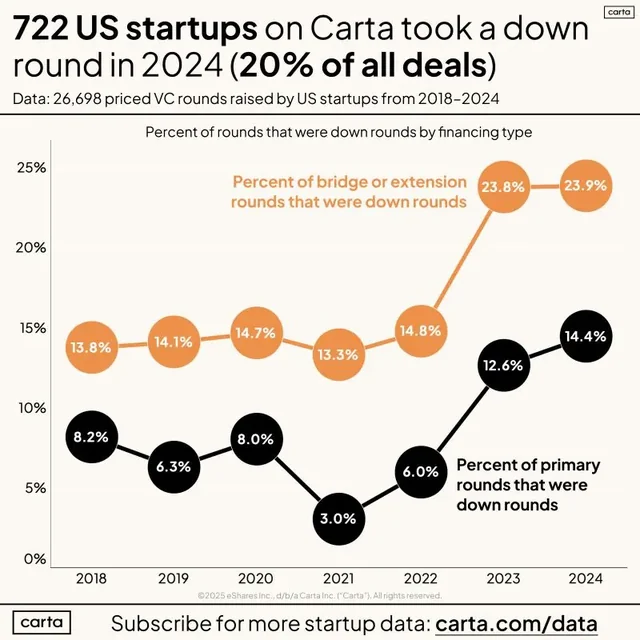
Carta's own data separates the all-rounds down-round rate from the primary-only rate, and both are shown receding from a 2024 peak.
2024 report
Rounds & valuations / Trace note123
CB Insights and Crunchbase both value unicorns at their last priced round, and Carta's own data shows how old that mark can get.
Trace note
Rounds & valuations / Trace note124
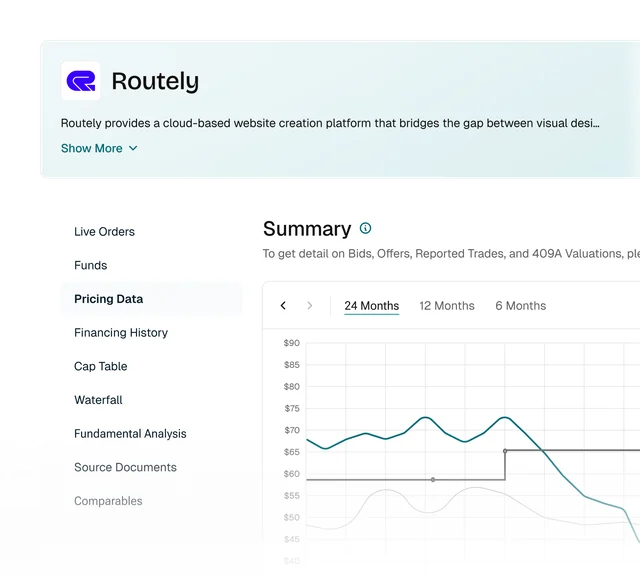
Forge and Nasdaq Private Market both blend several inputs into a daily price, and neither claims to be a round.
Trace note
Rounds & valuations / From the trace125
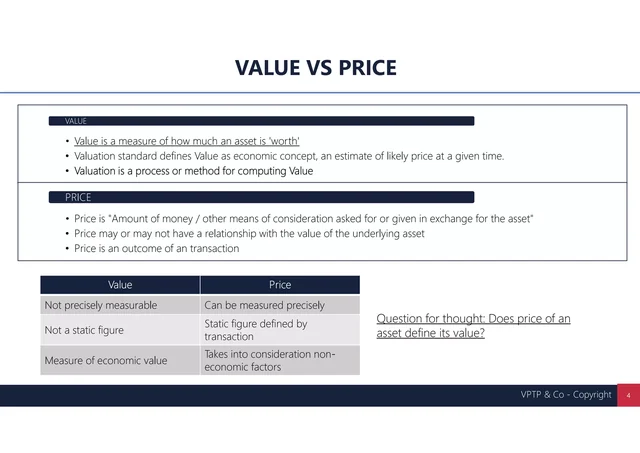
Treasury's safe-harbor rules and a valuation provider's own guide explain why the two numbers are rarely the same.
Event: 7 May 2007
Rounds & valuations / Trace note126
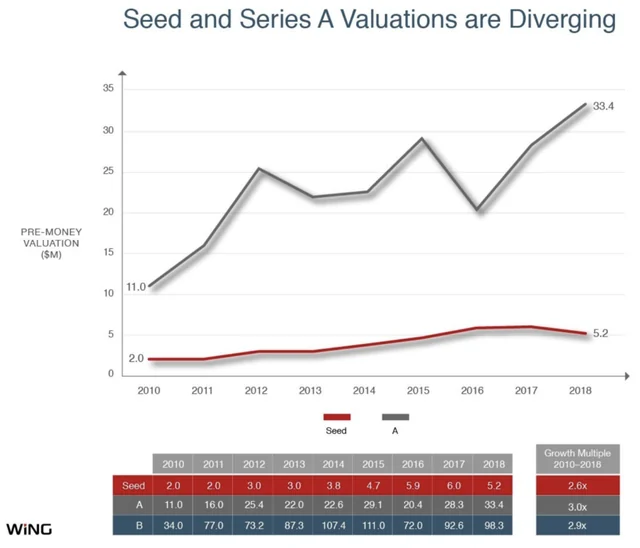
Carta's own data shows the median seed valuation rising from $10M to $20M since 2018, with no fixed definition of what counts as seed.
2025 report
Rounds & valuations / Trace note127

Carta's own data shows bridge rounds rising from about 12% to nearly 17% of dollars raised, and defines what counts as one.
2024 report
Rounds & valuations / From the trace128

OpenAI's and Anthropic's own announcements show rounds large enough to change how a provider's quarterly total reads.
Event: 31 March 2025
Founder decisions / Trace note129

Two companies' own posts show what a round announcement states as fact and what it leaves for the reader to assume.
Trace note
Terms & instruments / From the trace130

Y Combinator's own documents show how the 2013 SAFE works and what its 2018 post-money redesign changed.
Event: 6 December 2013
Terms & instruments / Trace note131
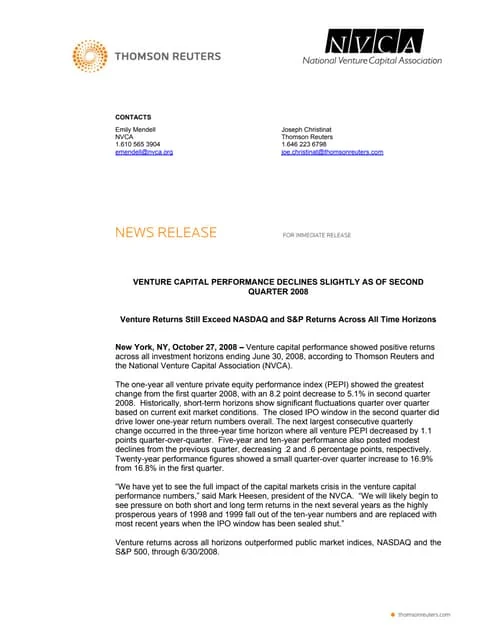
NVCA's own model documents page shows what the free templates cover and how often they are revised.
Trace note
Terms & instruments / Trace note132
cooleygo.comundated document
Cooley GO's guides show how a valuation cap and a discount convert a note, and which one a document lets govern.
Trace note
Terms & instruments / Trace note133
nvca.orgundated document
NVCA's model certificate shows the exact liquidation-preference formula and its non-participating design.
Trace note
Terms & instruments / Trace note134

NVCA's model charter's weighted-average formula, compared with the rarer full-ratchet alternative Cooley GO defines.
Trace note
Terms & instruments / Trace note135
nvca.orgundated document
NVCA's and Y Combinator's own documents show how a pro rata right is defined, and when it expires.
Trace note
Terms & instruments / Trace note136

NVCA's model voting agreement and charter show how board seats and blocking rights are actually assigned.
Trace note
Terms & instruments / Trace note137
cooleygo.comundated document
Cooley GO's guide and the tax rule show how early exercise, vesting and the 83(b) election fit together.
Trace note
Terms & instruments / Trace note138
nvca.orgundated document
NVCA's financing agreement and YC's own SAFE math show why the option pool dilutes founders specifically.
Trace note
Terms & instruments / Trace note139
A lender's own 10-K and the 2023 bank failure record show how venture debt pairs warrants with covenants.
Trace note
Exits & returns / Trace note140
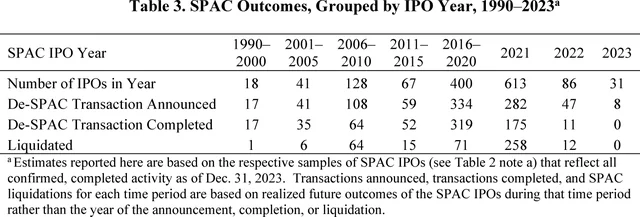
Renaissance Capital's own annual counts and the SEC's SPAC-inclusive tally measure the same years differently.
2024 report
Exits & returns / Trace note141
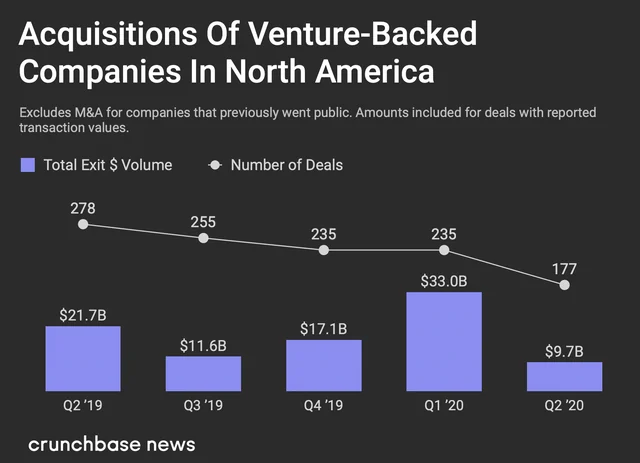
Carta's own M&A counts dwarf its IPO counts among venture-backed startups, and neither report totals a price.
2023 report
Exits & returns / Trace note142

ILPA's formal definition and Carta's fund data show why total value and distributions move at different speeds.
Trace note
Exits & returns / Trace note143
An NBER study of financing rounds and current fund data both show returns concentrated in a small share of outcomes.
Trace note
Exits & returns / From the trace144
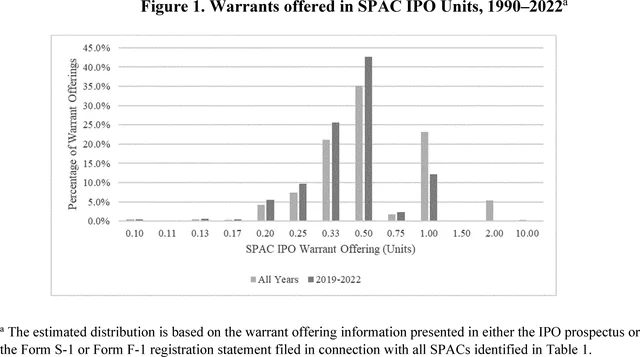
The SEC's own tally shows SPAC IPOs collapsing from 613 in 2021 to 31 in 2023, then it tightened disclosure rules.
Event: 24 January 2024
Exits & returns / From the trace145

ILPA's 2023 guidance sets terms for GP-led sales that can return LP cash without an independent buyer.
Event: 11 May 2023
Exits & returns / From the trace146
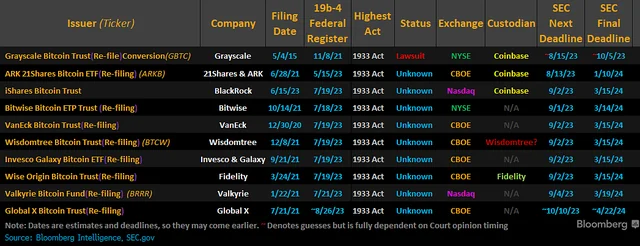
Spotify and Slack listed without underwriters or proceeds, then the NYSE rule they used was rewritten.
Event: 3 April 2018
Exits & returns / From the trace147
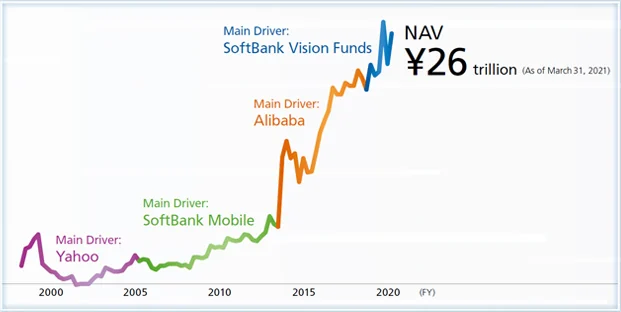
IPEV's fair-value rules and SoftBank's own 2022 loss show how private marks are built and how far they can move.
Event: 8 August 2022
Exits & returns / Trace note148
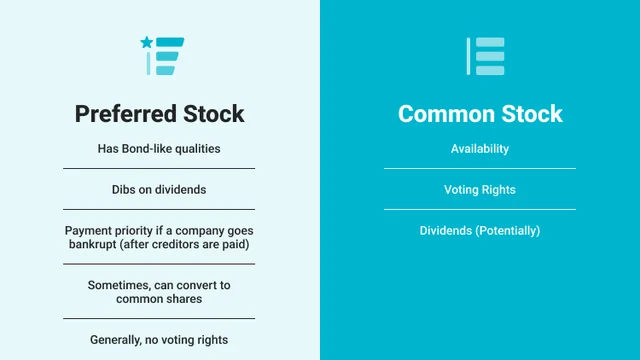
NVCA's model charter language and Carta's waterfall explainer show why a big exit can still pay common stock little.
Trace note
Exits & returns / Trace note149
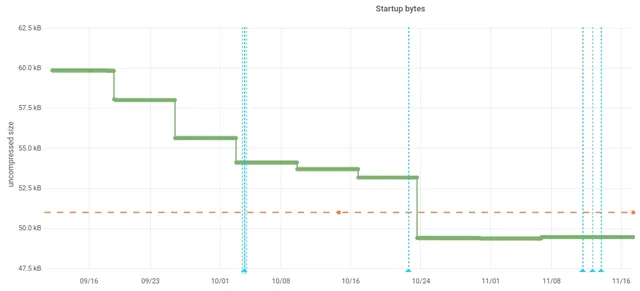
Carta's own quarterly shutdown data rose sharply through 2024, and Carta says the count still understates failures.
2024 report
Regulation & disclosure / Trace note150
sec.govundated document
Regulation D exempts most rounds from registration, and Form D discloses the fact of a sale without its price or terms.
Trace note
Regulation & disclosure / From the trace151
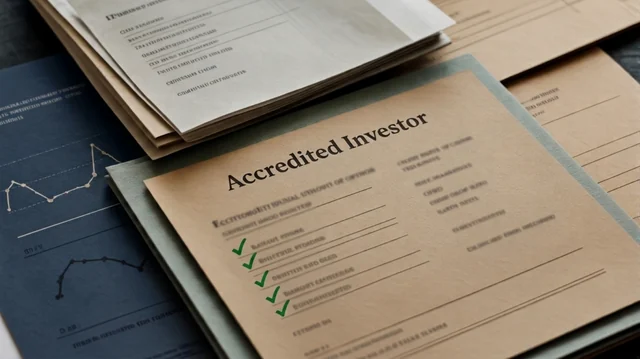
The 2020 amendments added new qualifying categories but left the income and net worth thresholds exactly where they were.
Event: 26 August 2020
Regulation & disclosure / From the trace152
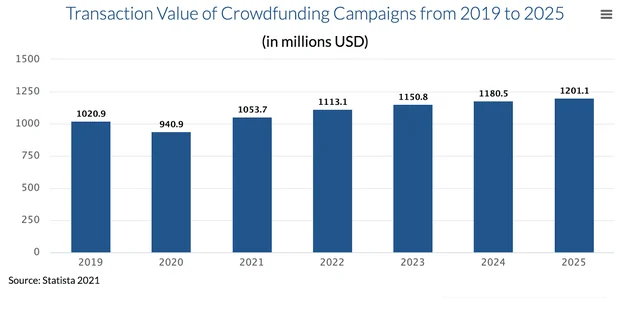
The SEC's 2020 release raised the Regulation Crowdfunding limit from 1.07 million to 5 million dollars, effective March 2021.
Event: 15 March 2021
Regulation & disclosure / From the trace153
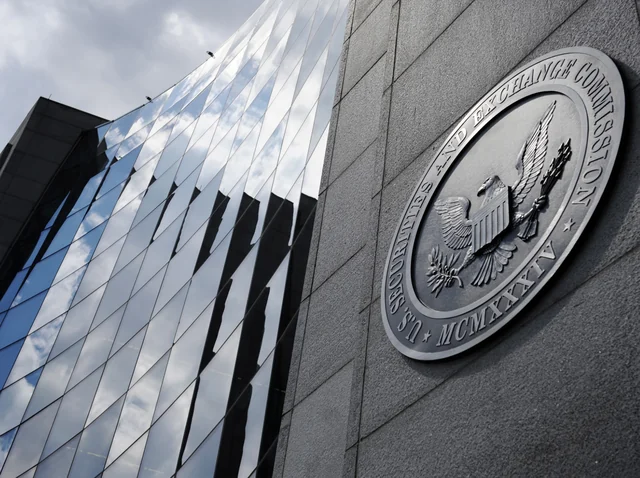
The SEC adopted private fund adviser rules in 2023, and the Fifth Circuit vacated the entire rule in 2024 for exceeding SEC authority.
Event: 23 August 2023
Regulation & disclosure / From the trace154
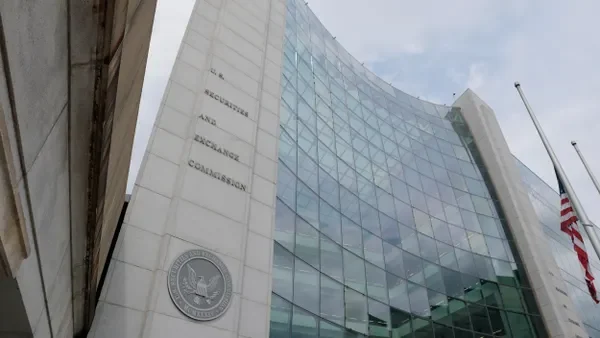
FIRRMA extended national security review to certain non-controlling investments, and 2020 rules define what that covers.
Event: 13 August 2018
Regulation & disclosure / From the trace155
home.treasury.gov2 January 2025
A 2025 Treasury rule prohibits or requires notice for certain US investments in Chinese semiconductor, quantum and AI firms.
Event: 2 January 2025
Regulation & disclosure / From the trace156
legislation.gov.uk29 April 2021
The National Security and Investment Act created a mandatory notification regime that took effect in January 2022.
Event: 4 January 2022
Regulation & disclosure / From the trace157
EuVECA gives qualifying venture funds a single cross-border marketing passport under a lighter regulatory regime.
Event: 22 July 2013
Regulation & disclosure / From the trace158
The 2023 FTC-DOJ guidelines describe when acquiring a smaller rival counts as eliminating a nascent competitive threat.
Event: 18 December 2023
Regulation & disclosure / From the trace159
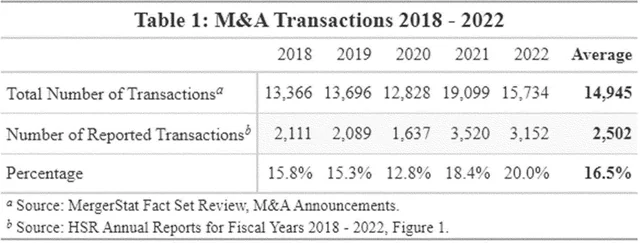
The FTC's 2025 HSR form required far more disclosure, until a 2026 court ruling reinstated the earlier form.
Event: 10 February 2025
Founder decisions / From the trace160
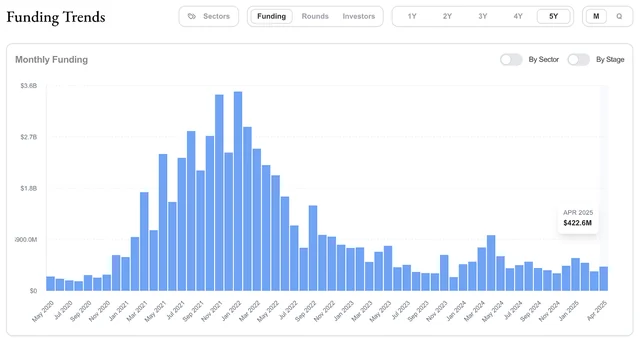
Carta's own data shows the median gap between rounds by stage, and why one blended number can hide how much it moved.
Event: 19 March 2025
Founder decisions / From the trace161
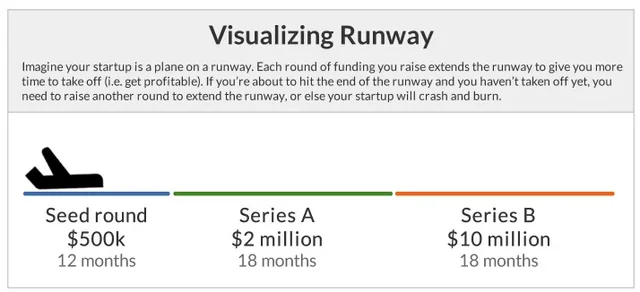
What default alive means, how to compute it from the bank balance, and the runway point past which options narrow.
Event: 1 October 2015
Founder decisions / From the trace162
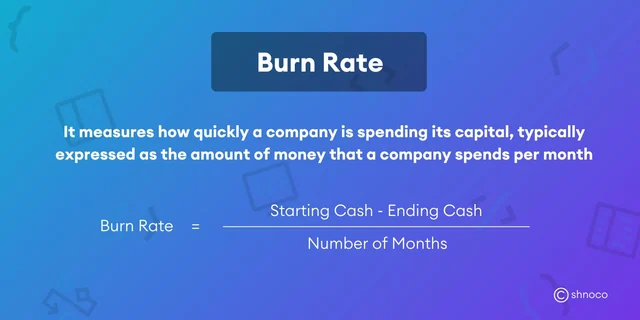
The Burn Multiple divides burn by new revenue; the sources show what a good ratio looks like and what it cannot diagnose.
Event: 23 April 2020
Founder decisions / From the trace163

Carta's own dilution data shows a multi-year decline by stage, and why its dataset does not count every dilutive event.
Event: 11 September 2024
Founder decisions / Trace note164

YC's SAFE and a priced round set ownership differently; the documents show when each actually serves a founder.
Trace note
Founder decisions / From the trace165
ycombinator.com9 June 2020
YC's model Series A term sheet and a law firm's guide show which lines carry the most long-term cost.
Event: 9 June 2020
Founder decisions / From the trace166
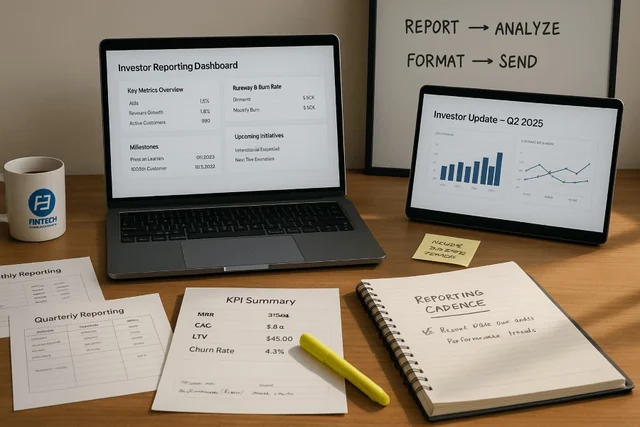
A cap-table provider's guide and a syndicate platform's LP guide show what belongs in an update and how often to send one.
Event: 10 July 2025
Founder decisions / Trace note167

Revenue-based lenders' own published terms show what founders keep and what the capital costs against equity.
Trace note
Founder decisions / Trace note168
sbir.govundated document
SBIR's own award caps and the UK's R&D relief test show what qualifies, and the time both programmes require.
Trace note
Founder decisions / Trace note169
ycombinator.comundated document
An editorial checklist built from YC's fundraising guides on what the documents suggest a founder should check before signing.
Trace note
Terms & instruments / Trace note170
ilpa.org1 June 2019
ILPA's own principles define fees and carried interest without fixing the percentages market shorthand assumes.
Trace note
Exits & returns / Trace note171
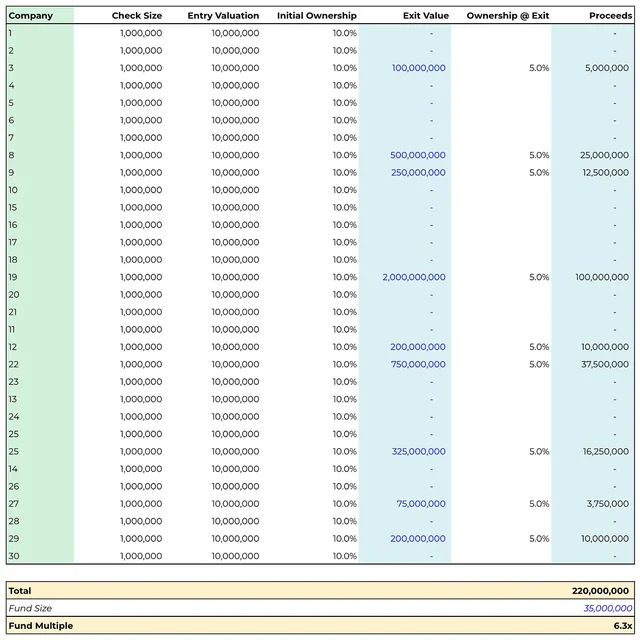
NVCA's own data on average versus median fund size shows how much a large fund must extract from a single winner.
2026 report
Market data / Trace note172
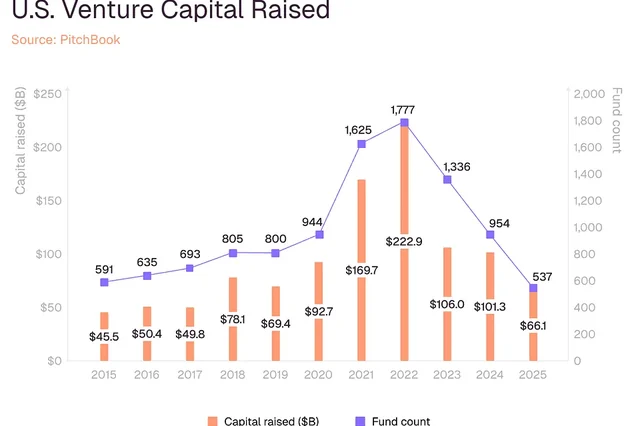
NVCA's own dataset records US fund-level fundraising falling from $222.7 billion in 2022 to $67.0 billion in 2025.
2026 report
Market data / Trace note173
NVCA's own data shows first-time funds falling from 457 in 2021 to 101 in 2025, faster than the overall fund count.
2026 report
Market data / Trace note174
NVCA's own data shows corporate involvement in a minority of deals but a majority of dollars raised.
2026 report
Market data / Trace note175

SoftBank's own report shows Vision Fund investment falling 93% in one year, alongside NVCA's own valuation series.
2023 report
Market data / Trace note176
UNH's national estimate and ACA's member report use different methods, so their angel figures should not be combined.
2024 report
Exits & returns / Trace note177

Harvard's own report states a 14% venture line for fiscal 2025; Yale's own release states a return but no venture figure.
2025 report
Exits & returns / Trace note178

CalPERS and CalSTRS each publish fund-level IRRs but warn their own methods are not comparable to another LP's.
Trace note
Founder decisions / Trace note179
Two firms' own fund-close posts show what such announcements state, size and thesis, and what they omit.
Trace note
Market data / From the trace180

Crunchbase counted $51 billion into European startups in 2024; Invest Europe counted 18 billion euros in venture alone.
Event: 13 January 2025
Market data / From the trace181

The British Business Bank counts smaller-business equity deals in pounds; Dealroom counts venture rounds in dollars.
Event: 2 July 2026
Market data / From the trace182

Bain and IVCA counted a 2023 funding fall in dollars; SEBI counts a cumulative rupee total for registered funds only.
Event: 14 March 2024
Market data / From the trace183
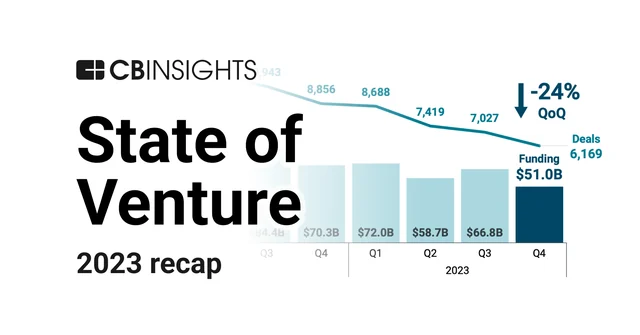
CB Insights measured deal-count declines and Crunchbase measured quarterly dollars, and the two do not convert.
Event: 4 January 2024
Market data / From the trace184
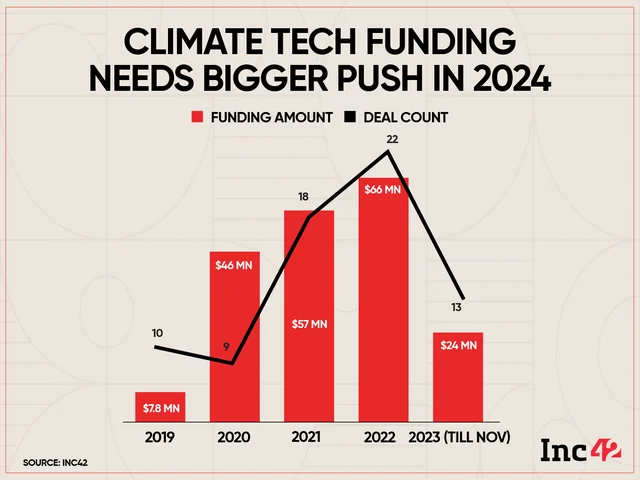
PitchBook tracks capital raised by climate VC funds; CTVC tracks capital invested into climate tech companies.
Event: 14 September 2026
Market data / From the trace185

A Crunchbase funding figure, an equal-weighted public index and an industry group's roster define biotech three ways.
Event: 9 July 2024
Market data / From the trace186
CB Insights framed 2021 as a share-of-market record and 2024 as a seven-year low in absolute deals and dollars.
Event: 25 January 2022
Market data / From the trace187

Crunchbase venture data shows a 2025 to 2026 surge, while a same-named private equity series fell over the same span.
Event: 2 June 2026
Market data / From the trace188
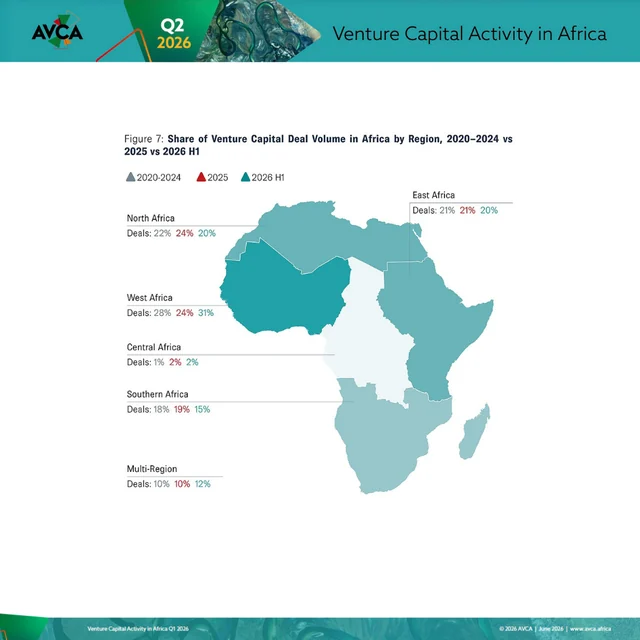
AVCA and Crunchbase both report volatile regional totals concentrated in a small number of large rounds and countries.
Event: 10 January 2025
Market data / Trace note189
PitchBook ranks by one primary industry per company while Crunchbase can expand categories editorially by keyword.
Trace note
Market data / Trace note190
Three providers publish different venture totals from different rules for what counts, not different views of one true number.
Trace note
Market data / Trace note191
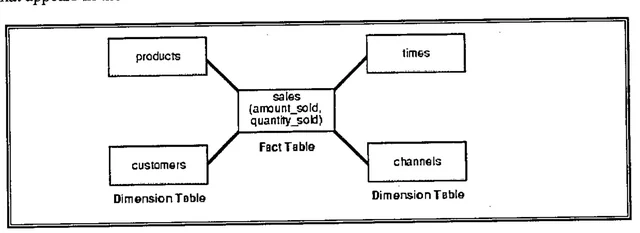
A figure is only checkable once its provider, period, scope and revision state travel with it.
Trace note
Market data / Trace note192

Concentration and deal count moved differently in 2021 and 2026, and provider data shows where the comparison breaks.
Trace note
Founder decisions / Trace note193
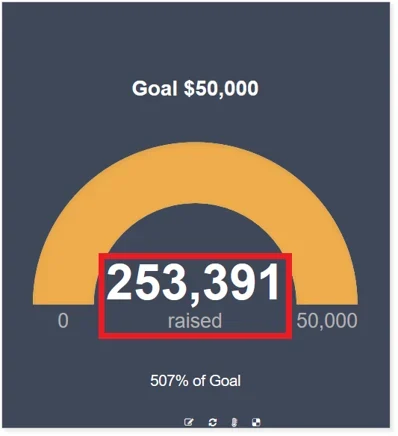
Provider benchmarks sample companies that closed a round, and the providers say so themselves.
Trace note
Market data / Trace note194
Venture dollar figures are nominal and cross-border ones are converted; official series show how to adjust before comparing years.
Trace note
Regulation & disclosure / Trace note195
sec.govundated document
The form's own fields, and one filed example, show what a Form D states and what it leaves out.
Trace note
Market data / Trace note196
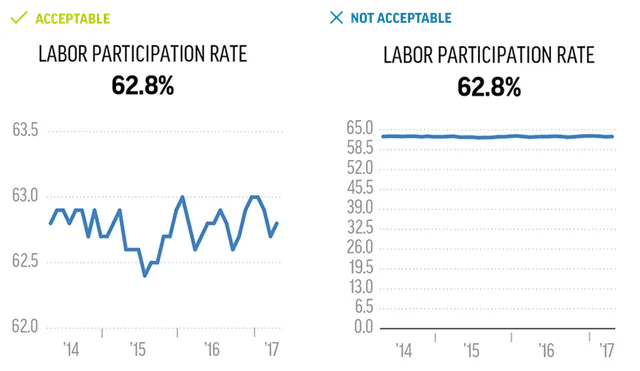
Provider revision notes and press standards bodies agree: silent fixes are not the same as labelled corrections.
Trace note
Founder decisions / Trace note197
ycombinator.comundated document
Cap, discount, pool and preference are defined in the instruments themselves, not invented by the spreadsheet.
Trace note
Regulation & disclosure / Trace note198
sec.govundated document
Announcement, Form D, provider entry and company statement can disagree, and a desk should check them in order.
Trace note
Founder decisions / Trace note199
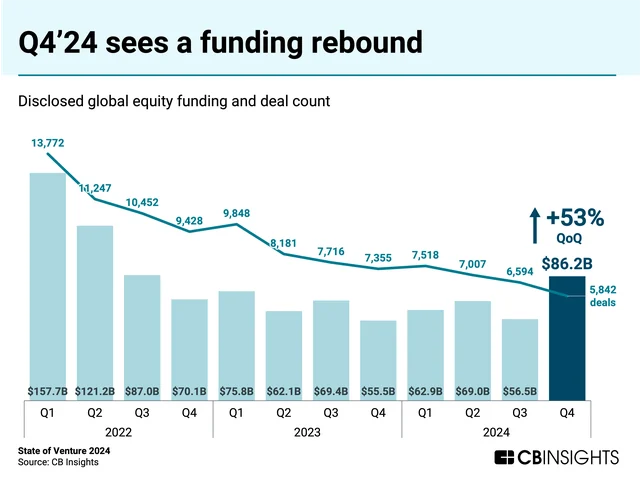
Investors know what a market total measures, so a founder's deck should say so before they have to ask.
Trace note
History / From the trace200
The 2012 statute created the 'emerging growth company' category immediately; a 2015 SEC rule shows how long full implementation of its other titles took.
Event: 5 April 2012