The record
The rule requiring an independent valuation for private company stock options has a specific origin. The Internal Revenue Bulletin of 7 May 2007 published Treasury Decision 9321, the final regulations under Internal Revenue Code Section 409A, enacted in 2004 after the Enron-era scrutiny of deferred compensation. Those regulations created a presumption that a valuation is reasonable, rebuttable only by showing it was "grossly unreasonable," when it follows one of three defined methods, the most common of which is an independent appraisal dated no more than 12 months before the transaction it supports.
What the sources establish
The current codified text, mirrored at 26 CFR 1.409A-1(b)(5)(iv)(B), still defines fair market value for stock with no public market as a value from "a reasonable valuation method," and still lists the independent-appraisal, formula, and start-up-company safe harbors set out in 2007. A practitioner's explanation of the same framework, Carta's 409A valuation guide, states the operational consequence: the appraisal sets the strike price for employee stock options, is valid for a maximum of 12 months from its effective date, and expires sooner if the company has a material event such as a new financing round.
Scope and revision
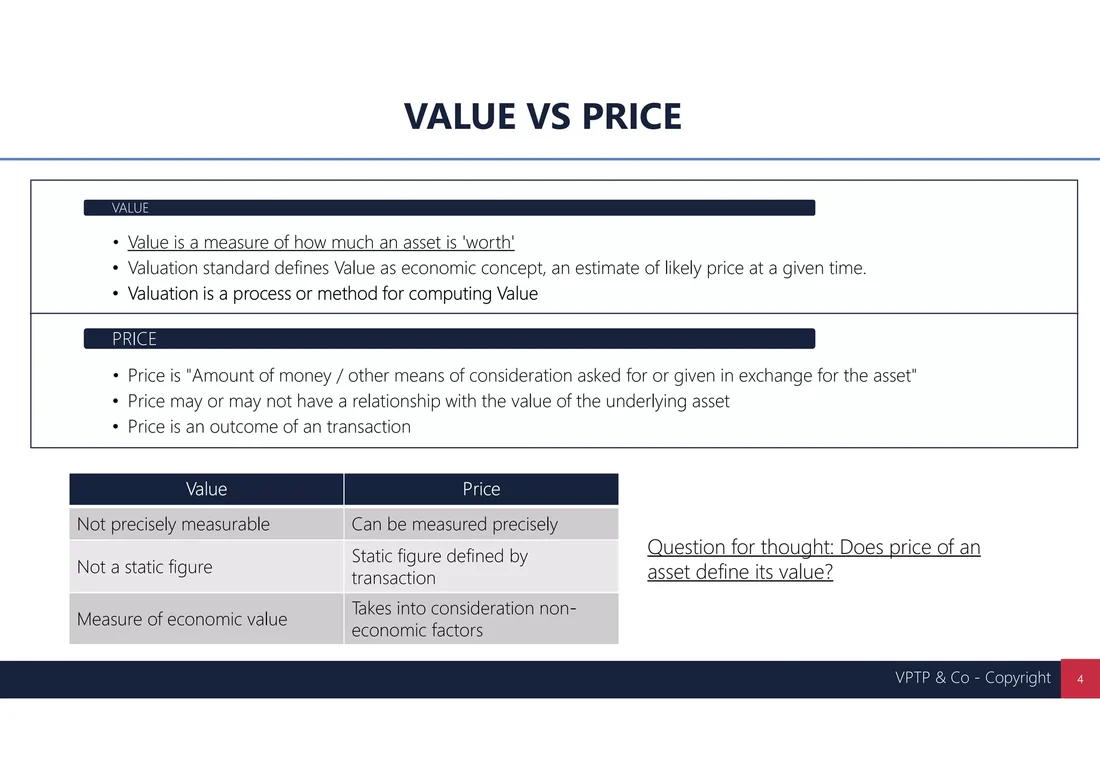
A 409A valuation and a round valuation price two different instruments for two different purposes, and the sources are explicit that the gap between them is expected rather than an error. Carta's guide states that a 409A prices the company's common stock, held by founders and employees, while a fundraising round prices preferred stock sold to investors, which carries rights such as a liquidation preference that common stock does not. A discount for lack of marketability is typically applied to the 409A figure, one reason it is routinely lower than the per-share price investors just paid. Neither the regulation nor the guide states a fixed ratio between the two numbers; the size of the gap is company-specific.
The decision in front of you
Editorially: an employee comparing an option grant's strike price to a headline funding valuation is not comparing like with like, and a large gap between the two is not by itself evidence that either number is wrong. What matters is whether the 409A is current, inside its 12-month window and not stale relative to a recent financing.
- When was the company's most recent 409A valuation dated, and has a material event happened since?
- Was the appraisal performed by an independent firm, consistent with the safe-harbor method?
- Does the strike price reflect common stock, while the financing valuation reflects preferred stock?
The 2007 regulations did not set out to make employee equity confusing; they set out to stop options from being priced arbitrarily low for tax purposes. The two-valuation system that resulted is a feature of how common and preferred stock are legally different instruments, not a discrepancy that needs resolving.
Sources & reading trail
Publishes the final Treasury regulations establishing the safe-harbor presumption of reasonableness for private stock valuations under Section 409A.
Source published: 7 May 2007 · Retrieved: 16 September 2026
Sets out the current regulatory text defining fair market value for non-traded stock and the three safe-harbor valuation methods, including the 12-month independent appraisal window.
Source published: Not established · Retrieved: 16 September 2026
States that a 409A valuation prices common stock for option strike prices while a fundraising valuation prices preferred stock, and that a 409A is valid for a maximum of 12 months or until a material event.
Source published: Not established · Retrieved: 16 September 2026
Filings, provider reports and official documents establish the record; the scope reading and the decision framing are Venture Trace editorial analysis. This retrospective draft does not imply the site published on the event date.