The record
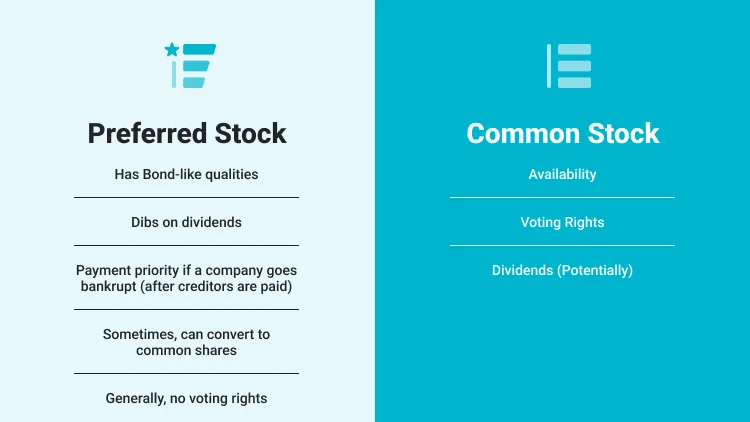
NVCA's model Certificate of Incorporation, updated October 2025 and used as a drafting template across the industry, sets out the standard liquidation preference clause: on a sale or dissolution, each series of preferred stock is paid, "before any payment shall be made to the holders of Common Stock," the greater of a multiple of its original issue price or what it would receive if converted to common. Carta's liquidation preferences explainer, current as retrieved on 16 September 2026, describes the same mechanism in plain terms: preferred shareholders are "paid first after an exit event," optimizing for a minimum return on invested capital, before common stockholders — including employees exercising options — see anything.
What the sources establish
The model document establishes the legal mechanics: a stack of preferences, paid in order, with each series entitled to the model's default "greater of" test, and the parties free to negotiate the multiple, whether preferred stock also participates alongside common after its preference is paid, and whether dividends accrue. Carta's waterfall analysis explainer shows why this matters at exit specifically: a waterfall analysis models "how the proceeds of an exit would be distributed among shareholders based on the terms of a company's operating agreement," and because distributions "spill over from one class of shareholder to the next," the total sale price alone does not determine what any individual class, including common stock, receives.
Scope and revision
NVCA's document is a template, not any specific company's charter; actual terms vary by negotiation, and the clause's bracketed multiple — "[__ times] the applicable Original Issue Price" — is filled in differently deal by deal, so no single number in the model document describes any real company's stack. Carta's explainers describe the mechanics generically and do not report what share of real exits clear the full preference stack before reaching common stock, nor how often participating preferred terms, which the model document also accommodates, appear in practice. A sale price above total invested capital does not guarantee common stockholders a payout above zero if the preference stack, participation rights, and any unpaid cumulative dividends absorb the proceeds first.
The decision in front of you
Editorially: an employee evaluating an offer to exercise stock options, or reading news of an acquisition at a headline price, should ask where common stock sits in the specific company's actual preference stack, not the model document's default, before assuming any relationship between the announced sale price and their own payout.
- How many series of preferred stock rank ahead of common stock, and at what multiple of original issue price each?
- Is any series participating, entitled to both its preference and a share of what remains?
- Does the reported sale price refer to enterprise value, equity value, or the amount actually available for distribution to stockholders?
The model charter and the explainers describe the same waterfall from different angles — one as binding contract language, the other as the mechanics it produces — and together they show why a common stockholder needs the actual stack, not the sale price, to know what an exit is worth.
Sources & reading trail
Gives the model liquidation preference clause language paying preferred stock before common stock.
Source published: Not established · Retrieved: 16 September 2026
Explains liquidation preference mechanics and terms (original issue price, multiplier, participation) in plain language.
Source published: Not established · Retrieved: 16 September 2026
Explains how exit proceeds are modeled and distributed across shareholder classes in order of preference.
Source published: Not established · Retrieved: 16 September 2026
Filings, provider reports and official documents establish the record; the scope reading and the decision framing are Venture Trace editorial analysis. This retrospective draft does not imply the site published on the event date.