A public filing can improve an investor research note, but an attractive number in the wrong field can also produce a misleading claim about a fund.
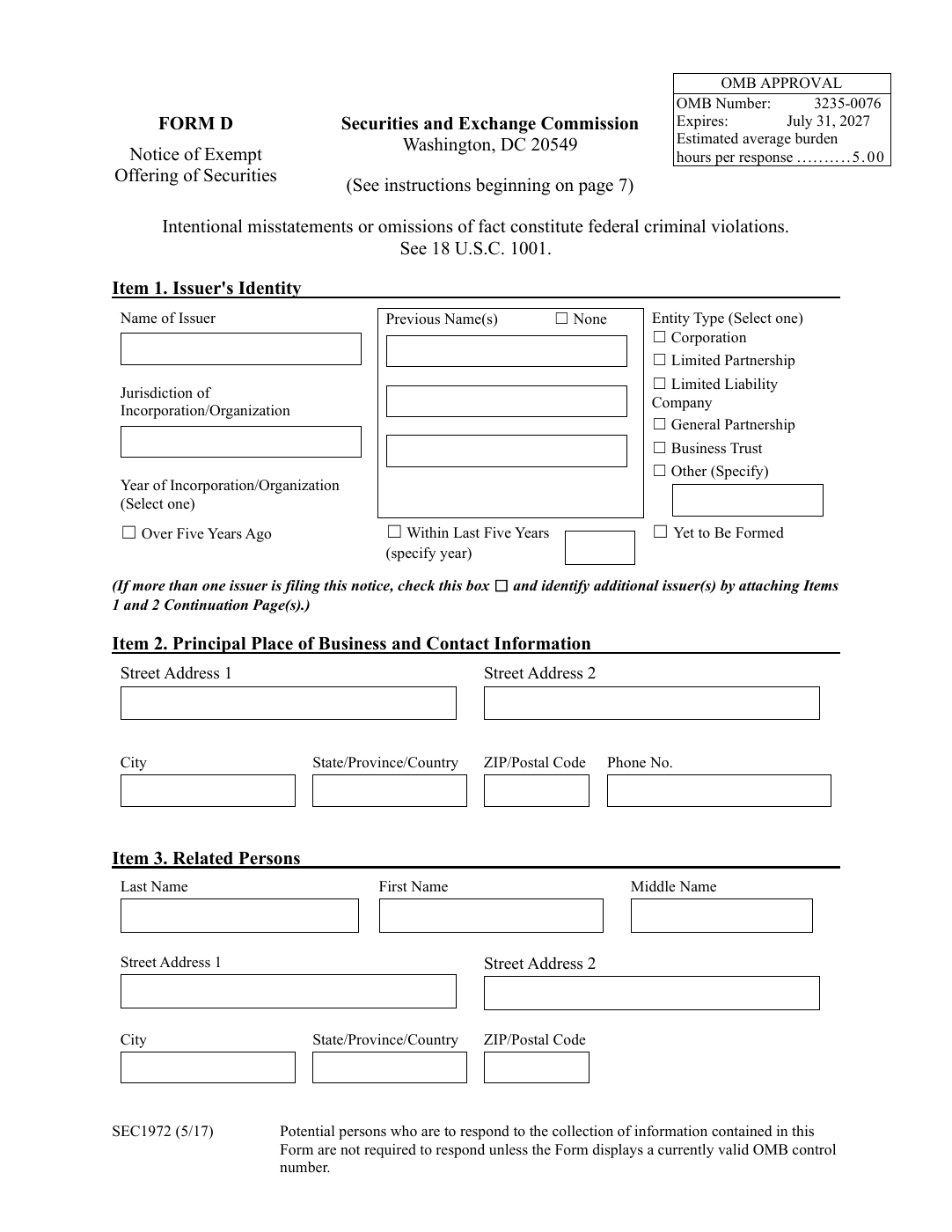
Target and sold are separate
SEC Form D Item 13 separates the total offering amount from the total amount sold. The instructions say sold amounts can include future cash under mandatory capital commitments. Item 7 also distinguishes a new notice from an amendment and records the first-sale date or that a sale has not yet occurred.
Keep the inference narrow
Our editorial rule is to transcribe the relevant field, label its filing date, and keep the issuer’s identity attached. An offering amount is not evidence of the same amount already raised. An amount sold is not a measure of unspent capital, and a first sale does not establish a final close.
Build a small evidence chain
Compare the filing with a dated firm announcement and any later amendment before describing fundraising progress. Preserve differences rather than choosing the largest number. In a founder’s target list, leave investment capacity unknown until there is additional evidence. The absence of a recent filing alone does not prove that a firm cannot invest.
US filing-literacy reference. No specific fund is assessed and no investment recommendation is made.
Financial education, not investment or legal advice. Historical notes are retrospective analysis prepared in September 2026, not contemporaneous Venture Trace reporting.
Sources & scope
US Securities and Exchange Commission
Form D: Notice of Exempt Offering of Securities
- Source date
- Date not stated
- Retrieved
- 16 Sept 2026
- Period / geography
- Evergreen reference · United States context
Form D fields and instructions; Items 7 and 13
Page checked on retrieval date; not a historical snapshot. Educational explanation. Actual agreements, reporting conventions and jurisdictions differ.

![Illustration of coin-operated robot/2020-Global. [Dom Guzman]](/assets/source-media/cb20-cover-display.webp)